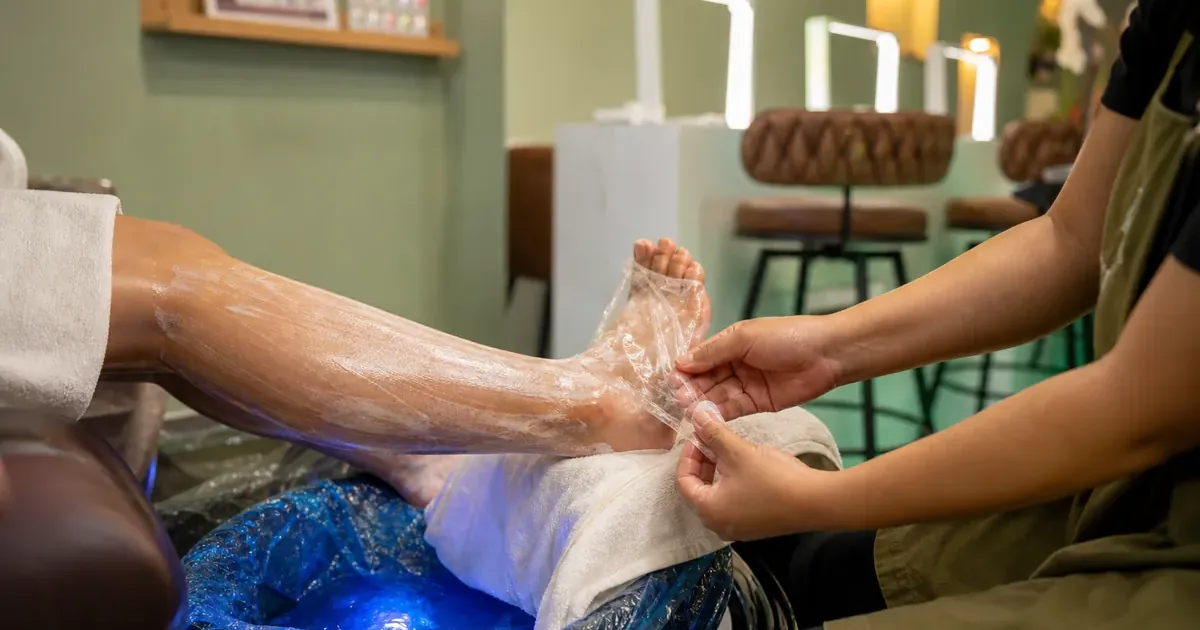
A good pedicure should leave you with soft feet and peace of mind. Most salon visits are perfectly safe, but hygiene lapses do happen, and the consequences can be serious. This checklist is built on public-health research and EPA guidance, so you know exactly what to look for, whether you visit us or any salon in Prince George's County.
The outbreak that changed pedicure safety
In 2000, more than 100 customers of a single nail salon in Watsonville, California developed painful, slow-healing boils on their lower legs. Investigators from the California Department of Health Services and the CDC traced the infections to Mycobacterium fortuitum, a bacterium that thrived in hair and skin debris trapped behind the intake screens of the salon's whirlpool footbaths. The findings, published in the New England Journal of Medicine in 2002, showed that the tubs had been rinsed between clients but not properly cleaned and disinfected.
Many guests in that outbreak had shaved their legs shortly before their pedicures. Tiny nicks gave the bacteria a way in. That study transformed state salon regulations and is the reason modern best practices look the way they do.
The 10-point checklist
1. Licenses are visible
In Maryland, salons and nail technicians are licensed through the Maryland Board of Cosmetologists (Maryland Department of Labor). Licenses should be displayed, and you can verify a license online through the state's license lookup.
2. The tub is cleaned and disinfected between every client
Proper disinfection means scrubbing away debris, then using an EPA-registered disinfectant and leaving it in contact for the full time on the label (often around 10 minutes). A quick rinse isn't enough.
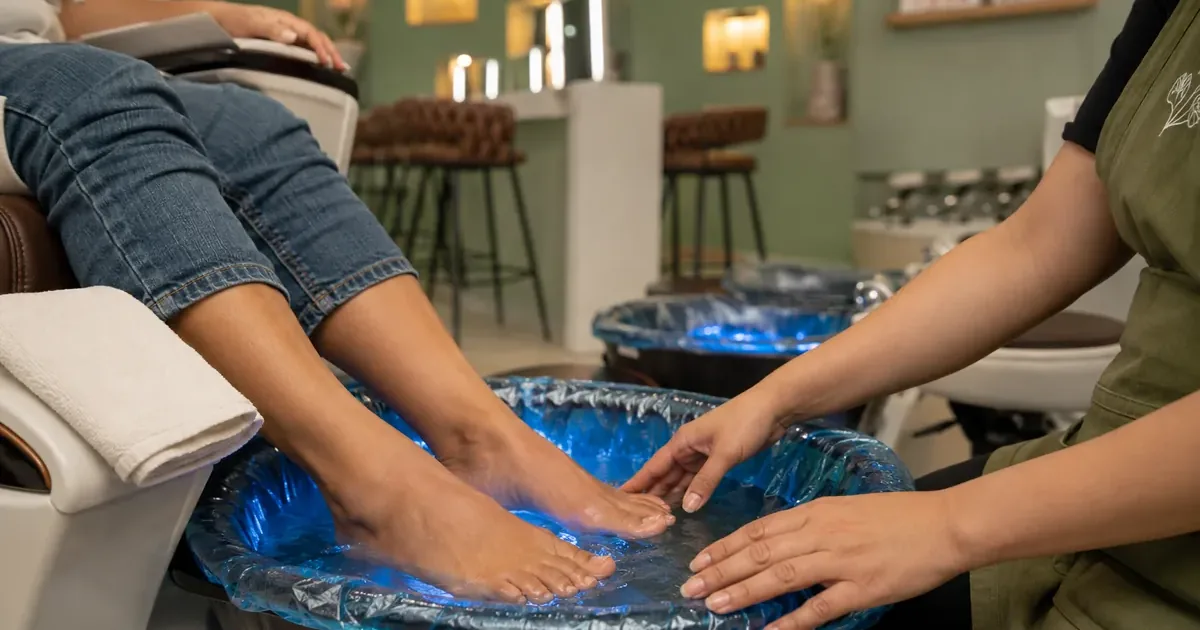
3. Pipeless jets or disposable liners
Older whirlpool systems have pipes behind the jets where biofilm can build up. Pipeless systems and single-use liners reduce the places bacteria can hide.
4. Metal tools come from a sealed pouch or disinfected container
Nippers, pushers, and clippers should be cleaned and disinfected (or sterilized) after every guest. Ideally, you'll see a sealed pouch opened in front of you.
5. Files, buffers, and pumice are new or yours
Porous tools like emery boards, buffers, and pumice stones can't be fully disinfected. They should be single-use or kept for you alone.
6. No razor blades on calluses
Blade-style callus shavers can cut too deep and are prohibited in many states, including Maryland. Maryland's cosmetology regulations (COMAR 09.22.02.03) prohibit removing corns or calluses by cutting, and prohibit even possessing a Credo blade or similar razor-type tool used to cut growths on the skin; cutting corns or calluses carries a $300 fine (COMAR 09.22.02.07). A good technician softens and files calluses gradually instead of shaving them.
7. Cuticles are pushed, not cut aggressively
The American Academy of Dermatology notes that the cuticle seals the area where your nail grows. Cutting it too deeply opens a doorway to infection. Gentle pushing and trimming only loose, dead skin is the safer approach.
8. Your technician asks about your health
People with diabetes, circulation problems, or nerve damage in the feet are at higher risk for infections and slow healing. The American Diabetes Association advises people with diabetes to take extra care with foot care. A thoughtful technician will ask, and adjust.
9. The salon smells fresh, not overwhelming
Strong chemical odors can signal poor ventilation. Good airflow protects both guests and staff.
10. You feel comfortable asking questions
A clean salon is proud of its process. If a question about disinfection gets a vague answer or annoyance, that's information too.
What you can do before your pedicure
| Do | Don't |
|---|---|
| Wait at least 24 hours after shaving or waxing your legs | Get a pedicure with cuts, scrapes, bug bites, or open sores on your feet or legs |
| Mention diabetes, circulation issues, or medications like blood thinners | Let anyone cut your cuticles deeply or shave calluses with a blade |
| Bring your own file or pumice if you prefer | Ignore redness, swelling, or pain in the days afterward |
| Watch for signs of infection and see a doctor if they appear | Assume clear water means a disinfected tub |
How we protect you at LaVina
Physical well-being is the first promise in our brand, and a clean pedicure is where it starts. Every pedicure tub is cleaned and disinfected with an EPA-registered disinfectant between guests, metal implements are cleaned and disinfected after every service, and files and buffers are single-use. We push cuticles gently, never shave calluses with a blade, and always ask about health conditions before we begin. If you'd like to see our process, just ask. We're happy to walk you through it.
Our pedicure menu ranges from a classic spa pedicure to our Signature, Volcano, and Collagen Seasonal pedicures, and our pedicure lounge is designed as a social space where you can chat with friends. Prefer quiet? Let us know, and we'll seat you where you can relax.
A safe, relaxing pedicure in Hyattsville
LaVina Nail & Spa is at 7990 New Hampshire Ave, Hyattsville, MD 20783, close to Takoma Park, Silver Spring, Langley Park, Adelphi, Chillum, and College Park. Hours: Monday–Saturday 10 AM–8 PM, Sunday 11 AM–6 PM. Call (301) 234-5000 or view our pedicure menu.
Frequently Asked Questions
How can I tell if a nail salon is clean?
Look for visible state licenses, tubs that are scrubbed and disinfected between clients, tools opened from sealed pouches, single-use files and buffers, and staff who answer hygiene questions openly.
Should I shave my legs before a pedicure?
No. Wait at least 24 hours after shaving. Shaving can create tiny cuts that allow bacteria from footbath water to enter the skin, a risk highlighted by the 2000 Watsonville outbreak.
Can I get a pedicure if I have diabetes?
Many people with diabetes enjoy pedicures safely, but you should tell your technician, avoid cuticle cutting and callus shaving, and follow your doctor's advice. Check your feet afterward and report any cuts or redness.
What are the signs of a pedicure infection?
Watch for redness, swelling, warmth, pus, boils, or sores that don't heal on your feet or lower legs in the days or weeks after a pedicure. See a healthcare provider promptly if you notice any of these.
References
- Winthrop KL, Abrams M, Yakrus M, et al. An outbreak of mycobacterial furunculosis associated with footbaths at a nail salon. N Engl J Med. 2002;346(18):1366–1371.
- U.S. Environmental Protection Agency. Recommended Cleaning and Disinfection Procedures for Foot Spa Basins in Salons. epa.gov.
- U.S. Environmental Protection Agency. Preventing Pedicure Foot Spa Infections. epa.gov.
- Maryland Department of Labor, Board of Cosmetologists. Licensing information and license verification. labor.maryland.gov.
- Code of Maryland Regulations (COMAR) 09.22.02.03 (Prohibitions) and 09.22.02.07, Board of Cosmetologists.
- American Academy of Dermatology. Manicure and pedicure safety tips. aad.org.
- American Diabetes Association. Foot care. diabetes.org.